


Understanding Inheritance Licensing in Iran
Inheritance laws in Iran can be complex and require careful navigation, especially when dealing with licensing and property transfers. The legal framework governing inheritance in Iran is rooted in Islamic law, which may differ significantly from the laws in other jurisdictions. To help individuals understand and manage the processes involved, this article provides a comprehensive guide to inheritance licensing in Iran. For more detailed legal pathways and approvals, visit help with Iran inheritance licensing https://bushgottlieb.com/pages/iran-inheritance-licensing-legal-pathways-and-approvals.html.
The Legal Framework of Inheritance in Iran
Iran’s inheritance laws are predominantly based on the principles of Islamic (Shia) jurisprudence. According to the laws, the distribution of an estate is predetermined and based on family relationships. Key factors influencing inheritance in Iran include the number of heirs, their gender, and the relationship to the deceased. Understanding these factors is crucial for anyone looking to navigate the inheritance process.
Key Principles of Inheritance
1. **Fixed Shares**: Each heir is entitled to a specific share of the deceased’s estate. Male heirs typically receive a double share compared to female heirs.
2. **Exclusions**: Certain relatives may be excluded from inheritance if they fall under specific categories defined by Islamic law.
3. **Sharia Compliance**: The disposition of an estate must comply with Sharia law, dictating how assets are to be divided among heirs.
Overview of the Inheritance Process
Applying for an inheritance license involves several key steps:
- Gather Required Documentation: Compile documents including the deceased’s death certificate, proof of relationship to the deceased, and any relevant wills or legal testamentary documents.
- File a Claim: Submit a formal claim to the local court where the deceased resided. During this step, you may need to present the gathered documents and any evidence supporting your claim to the estate.
- Obtain a License: After your claim is accepted, the court will issue an inheritance license, allowing you to access and manage the deceased’s assets.
- Distribution of Assets: Following the issuance of the inheritance license, assets can be distributed according to the specified shares in compliance with the law.
Challenges in the Inheritance Process
While the process is defined, several challenges may arise, including:
- Disputes Among Heirs: Conflicts can occur between heirs, which may complicate the distribution process.
- Legal Representation: Understanding local laws often necessitates hiring legal representation, which could involve additional costs.
- Property Ownership Issues: Determining ownership rights to property can become complicated, especially if the estate includes real estate.
Legal Pathways for Foreigners
For non-Iranian citizens, navigating the inheritance process can be even more challenging. It is vital to understand the specific rights of foreigners regarding inheritance and how to comply with local laws. Consider these important guidelines:
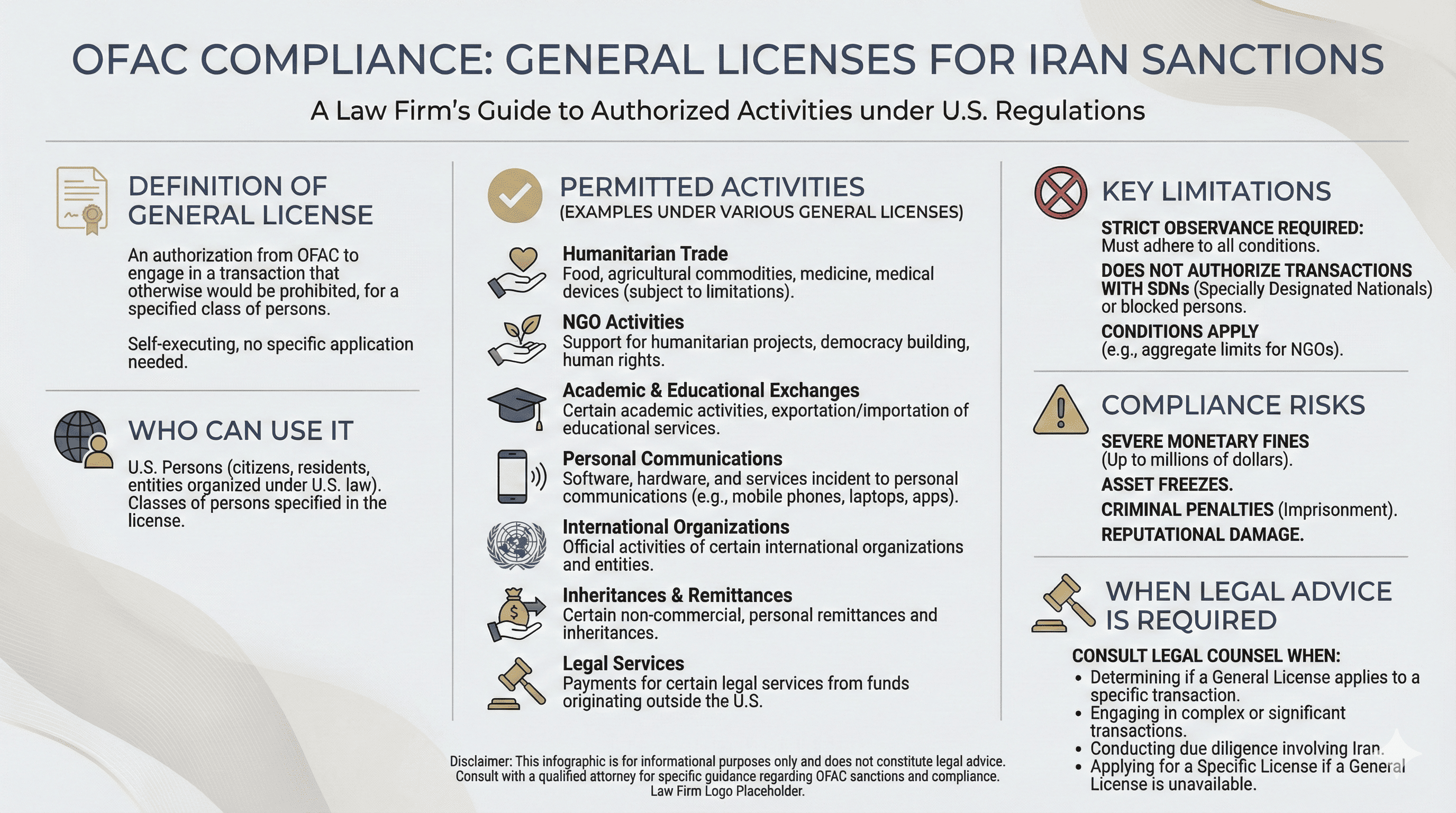
- Consult Local Legal Experts: Engaging a legal expert who is well-versed in Iranian inheritance law is advisable for foreigners, as they can provide tailored guidance on unique cases.
- Document Verification: Ensure that all documentation is verified and translated into Persian when necessary, as this can expedite the process.
- Understanding Tax Implications: Foreigners may need to be aware of certain tax implications that arise from inheriting property or assets in Iran.
Conclusion
Navigating inheritance licensing in Iran is a multifaceted process that mandates a clear understanding of the legal context. Whether you are a local citizen or a foreign national, being informed about the requirements and potential challenges can significantly ease the journey. It is highly recommended that individuals seek legal counsel during this process to ensure compliance with all applicable laws and minimize disputes. By following the guidelines outlined in this article, individuals can navigate the inheritance landscape more effectively and with confidence.
For further information and resources, consider visiting specialized legal services focused on Iranian inheritance laws. They can provide the necessary support for individuals needing assistance in managing inheritance licenses and navigating related legal pathways.
